
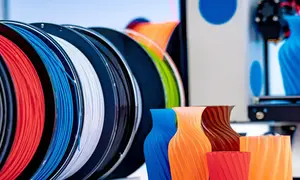
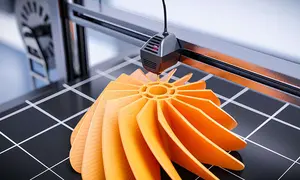

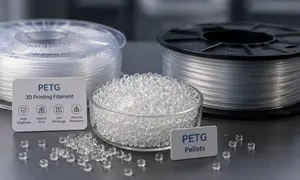
When it comes to 3D printing, nothing can ruin your print quality faster than moisture. PLA and PETG are popular for their ease of use and versatility, but both are hygroscopic—they absorb water from the air. Without proper filament storage, even the best-quality spools can suffer from PLA moisture problems, leading to poor print quality, wasted material, and frustration.
Airtight Storage Solutions
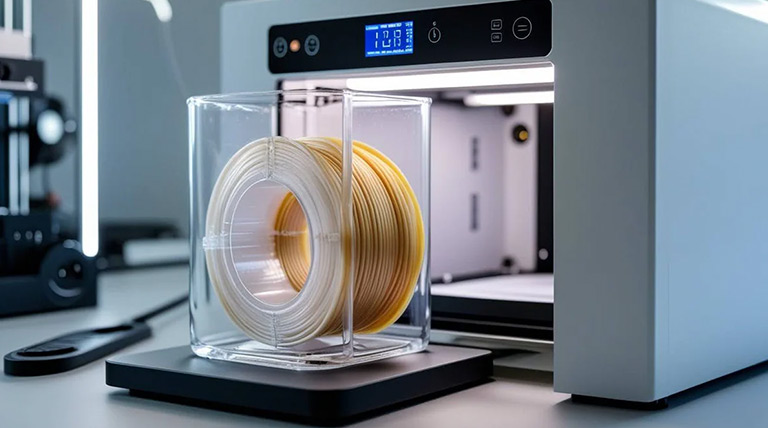
The simplest way is to store your spools in airtight containers. Resealable plastic bags with silica gel packs are effective for short-term use. Vacuum-sealed bags offer even better protection for long-term filament storage.
Desiccants & Humidity Monitoring
Silica gel packs actively absorb moisture from the air inside your storage container. Color-changing silica packs are useful because they indicate when they’ve reached saturation. A small digital hygrometer in your filament storage area can help you maintain humidity below 20% for optimal results.
Dry Cabinets and Climate-Controlled Storage
Dry cabinets are the gold standard for filament storage. These cabinets are designed to keep humidity at a constant low level and often allow you to feed filament directly into your printer without removing it from the cabinet. While more expensive, they virtually eliminate PLA moisture problems for those who print frequently.
Vacuum-Sealed Storage for Long-Term Preservation
If you have multiple spools in rotation, vacuum sealing is an affordable and highly effective long-term solution. Removing air and sealing the spool with desiccants inside ensures your filament stays in perfect condition until you’re ready to use it.